Dangerous goods transport

Hazardous goods advice — Guidelines and practical steps

Dealcorner advises on safe handling, correct classification and compliance in international and national transport of dangerous goods (ADR/IMDG/IATA).

Core advice — quick overview

Start with classification: identify the UN number, class and packing group. Use suitable packaging materials and labels, and ensure that all documents (safety data sheet, transport documents) are complete.
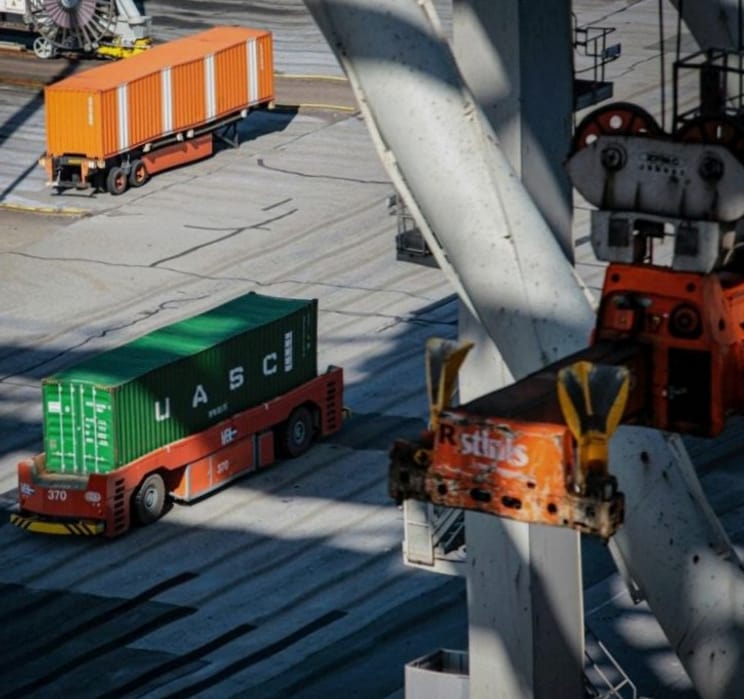
  • Classification & UN numbers— essential for choosing the route and mode of transport.
  • Packaging & labeling— ADR- and IMDG-compliant shipments require specific markings.
  • Emergency procedures— contact points and on-site emergency response plan.
Labeling and packaging
Approved carriers
24/7
ADR certified
Yes

Classification and documentation

Correct classification prevents fines and unsafe situations. Our checklist for shipments:

  1. Identify the product and consult the Safety Data Sheet (SDS/MSDS).
  2. Determine the UN number and class (1–9).
  3. Choose the correct packing group and container.
  4. Provide ADR/IMDG/IATA labels and emergency information.

Use our quick-reference table for common classes below.
Classification table example
ClassShortExample
1ExplosivesSignal flares
3Flammable liquidsPetrol, ethanol
6.1Toxic substancesSolid/liquid toxins
8Corrosive substancesAcids, lye

Transport modes & packaging requirements

Road transport (ADR), sea freight (IMDG) and air freight (IATA) have their own rules. Choose the mode based on hazard class, speed and cost.
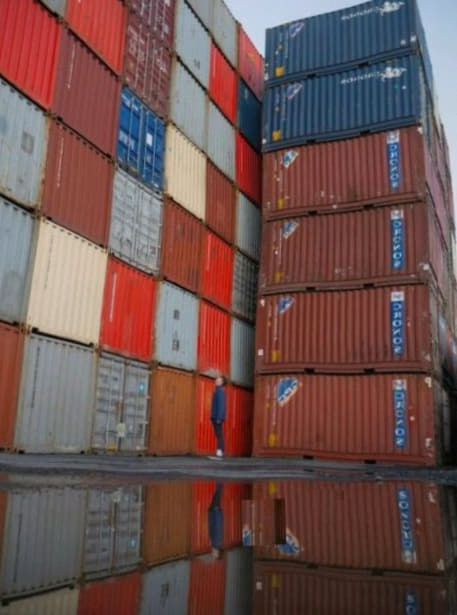

  • ADR: limited quantities, additional training for drivers.
  • IMDG: stowage and segregation requirements on ships.
  • IATA: strict restrictions and packaging certificates.
Dangerous goods truck

Transport & documentation — common scenarios

  • Transport document with UN number and class
  • SDS/MSDS and emergency contact
  • Certificates for packaging if required

  • Proper Shipping Name and Marine Pollutant status
  • Stowage group and segregation requirements
  • Emergency procedures and carrier contact details

  • Quantity restrictions and packaging standards
  • Operator approvals and robust labeling
  • Alternatives: multimodal combined transport

Emergency procedures & response

Dangerous goods advisor
Peter de Vries
Dangerous goods specialist

Immediate steps to take in an incident:

  1. Assess the risk based on the label/UN number and SDS.
  2. Alarm and isolate the area; inform the transport and emergency contact.
  3. Follow SDS advice and notify the competent authorities.

Further resources & downloads

Practical checklists and templates (packaging, labeling, transport document) are available via our contact line. Below are sample images and illustrations.
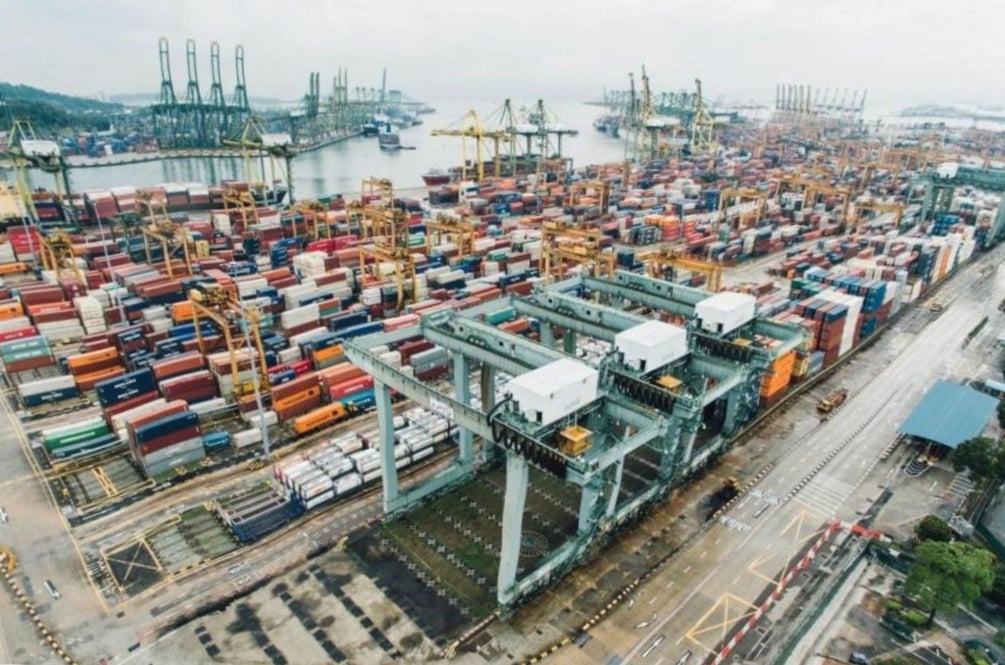
Sample labels
Safe storage